

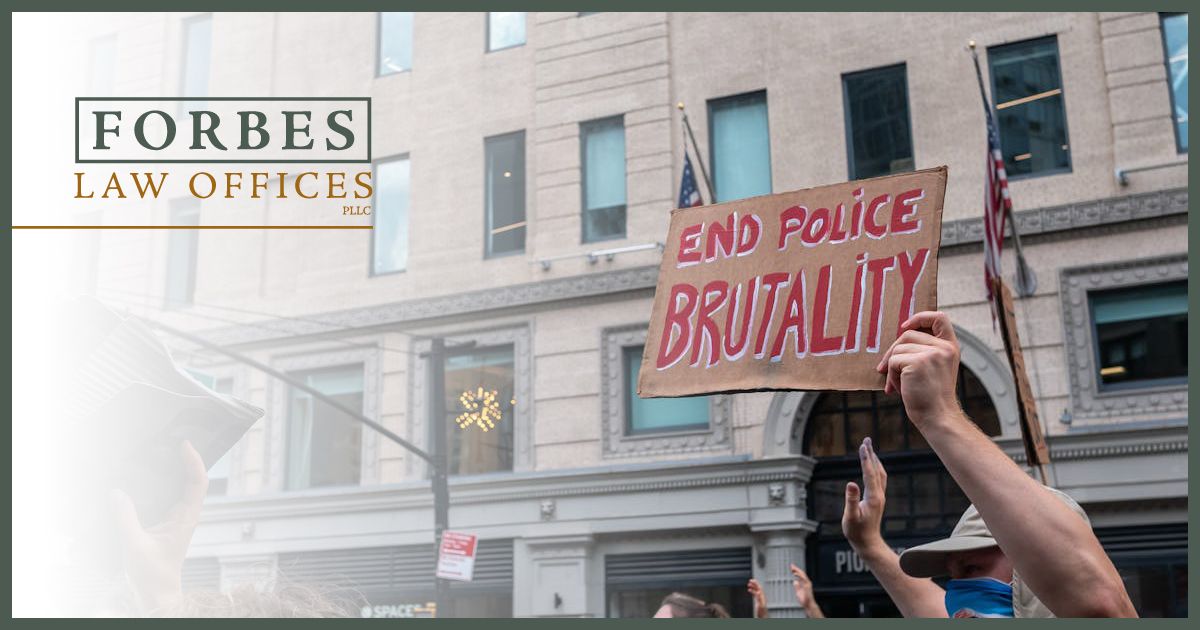
Police brutality is one of the most controversial and difficult issues facing our communities, raising questions about accountability, criminal justice, and the balance between law enforcement authority and civil rights. To understand why these incidents happen, we must look beyond media headlines and examine the deeper causes.
The roots of these issues often involve a mix of systemic, cultural, and individual factors that create an environment where excessive force can occur.
That’s when you need to contact a police brutality lawyer.
How Does Historical Context Influence Police Brutality?
Policing in the United States has evolved through a complex history, and some of that history contributes to modern challenges. Early policing practices often prioritized control over protection, creating strained relationships between officers and their communities. These historical tensions linger, shaping perceptions on both sides. When communities feel targeted rather than protected, and police feel unsupported, trust erodes, which can increase the likelihood of confrontations turning hostile.
Systemic issues also play a role. Policing policies that emphasize aggressive tactics or prioritize numbers over community engagement may encourage confrontational approaches.
For example, a department that measures success mainly through arrests or citations may pressure officers to focus less on communication and more on results. Over time, this structure can reinforce patterns of force that cross the line into abuse.
Training and Department Culture
The way officers are trained has a major influence on their behavior in the field. While many academies emphasize proper use of force and de-escalation, not all programs give these subjects equal weight.
Training that heavily focuses on self-defense and control tactics without also developing effective communication skills can leave officers ill-prepared to handle tense situations without resorting to force.
When officials downplay complaints or ignore early warning signs, an unhealthy environment develops where misconduct is overlooked or even normalized.
What is The Role of Stress and Burnout on Police Brutality?
Policing is an incredibly demanding career. Officers often face dangerous, high-stress situations and are expected to make rapid decisions in hostile environments with little room for error. Over time, this pressure can lead to burnout, frustration, and emotional fatigue.
Stressed officers may react more harshly, particularly in situations where they feel threatened or overwhelmed. Working in areas of consistently high crime and lax enforcement of criminal prosecution only adds to this stress.
Departments that fail to address officer wellness risk create a workforce prone to aggressive responses.
Mental health support, counseling, and adequate rest are essential to help officers manage stress effectively. Without these types of safeguards, the combination of constant exposure to trauma and limited coping mechanisms can make excessive aggression more likely.
How do Bias and Discrimination Influence Police Brutality?
Bias, whether explicit or implicit, can shape how officers interact with the public. Implicit bias operates unconsciously, influencing decisions in subtle but powerful ways.
Officers may perceive certain groups as more threatening based on stereotypes rather than facts.
Explicit bias, while less common, occurs when an officer consciously treats individuals differently based on race, gender, or other characteristics.
These biases contribute to unequal treatment, which can escalate routine encounters into violent confrontations on both sides. Training programs that address bias and encourage self-awareness can help reduce these tendencies, but meaningful change also requires leadership that consistently enforces fair and equal treatment.
Public Perception and Media Influence
Exploitative media coverage of police conduct can amplify tensions and influence how the public views law enforcement as well. While attention on brutality brings awareness (and ratings), it can also create an environment where communities and officers feel more polarized.
Officers who feel unfairly portrayed may adopt defensive attitudes, while citizens may see every police interaction through a lens of suspicion.
This cycle contributes to more adversarial relationships, increasing the risk of dangerous encounters.
Clear communication, transparency from departments, and constructive media coverage can help break this cycle and rebuild trust.
Finding Solutions
Understanding the causes behind police brutality is only a first step. Solutions require ongoing commitment from both law enforcement and the communities they serve. Addressing systemic problems, supporting officer wellness, enforcing judicial policies and laws, and building stronger accountability mechanisms can reduce the risk of excessive force.
Some approaches include:
- Investing in de-escalation and communication training
- Creating independent oversight boards with real authority
- Prioritizing mental health and wellness programs among officers
- Encouraging community policing initiatives
- Holding leadership accountable for department culture
When reforms are taken seriously and consistently reinforced, departments can create a healthier environment where misconduct is the exception, rather than the norm.
At Forbes Law Offices, we understand that police brutality is not caused by one factor but by a mix of history, training, stress, bias, and accountability gaps.
By recognizing how these issues intersect, communities and law enforcement can collaborate to foster safer and more respectful interactions. Building trust and transparency takes time, but addressing the root causes of misconduct is an essential step toward lasting change.


